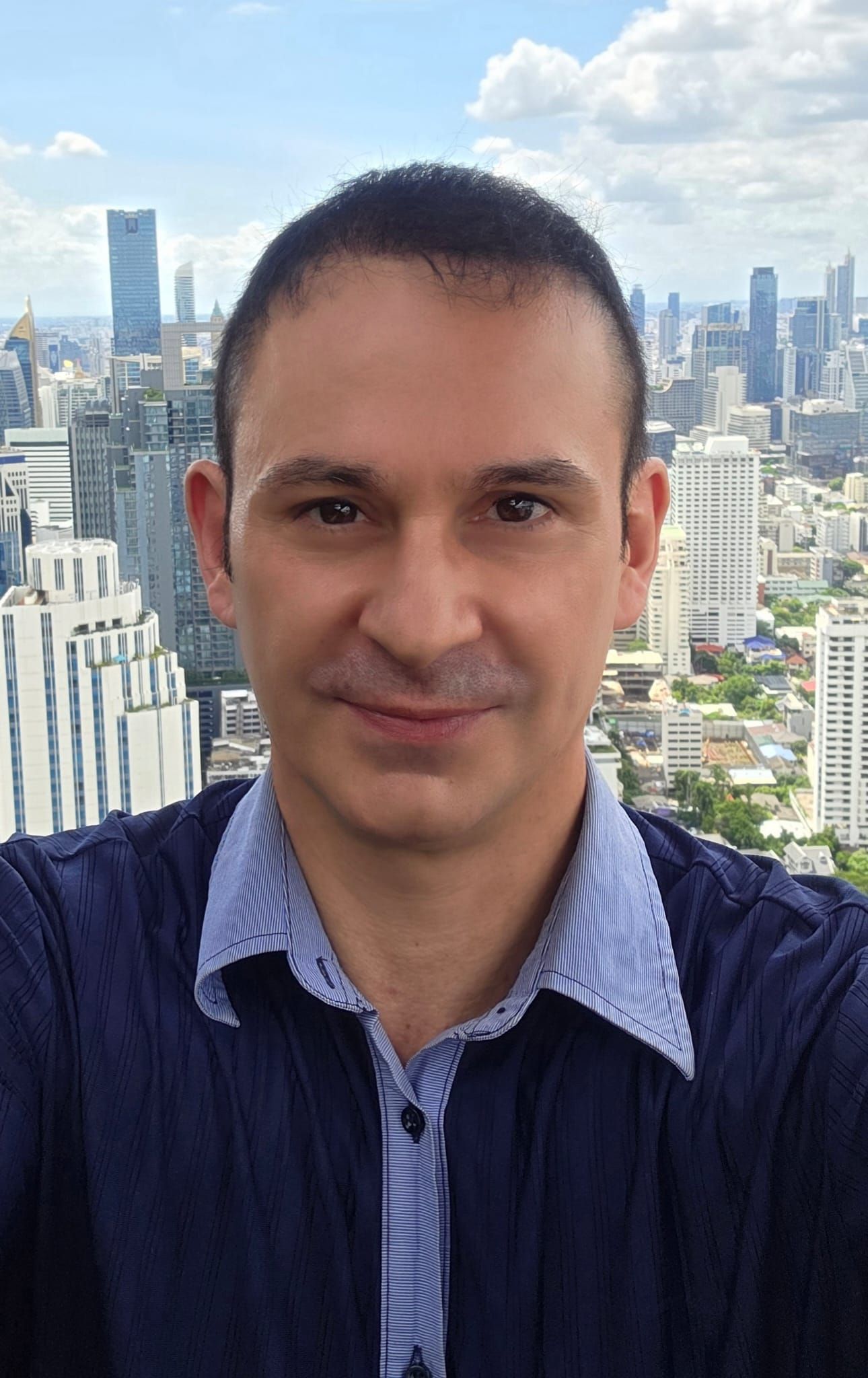
Team Spotlight: Michaela Osborne
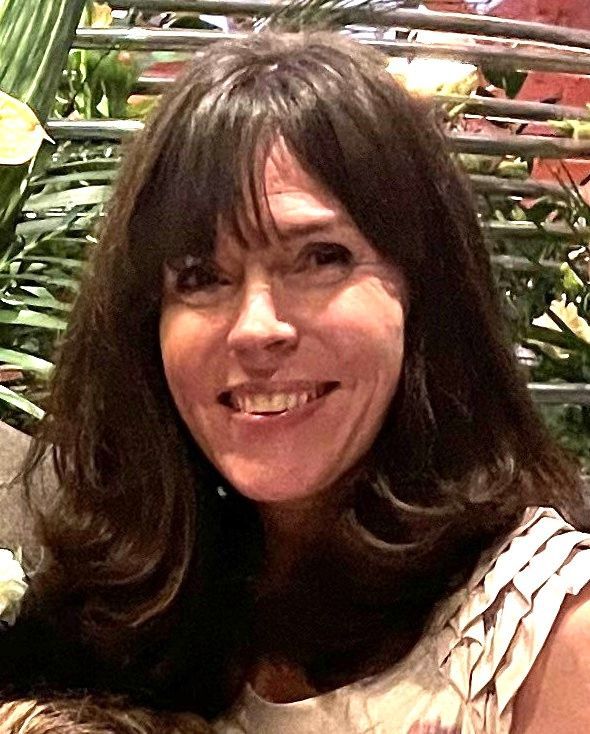
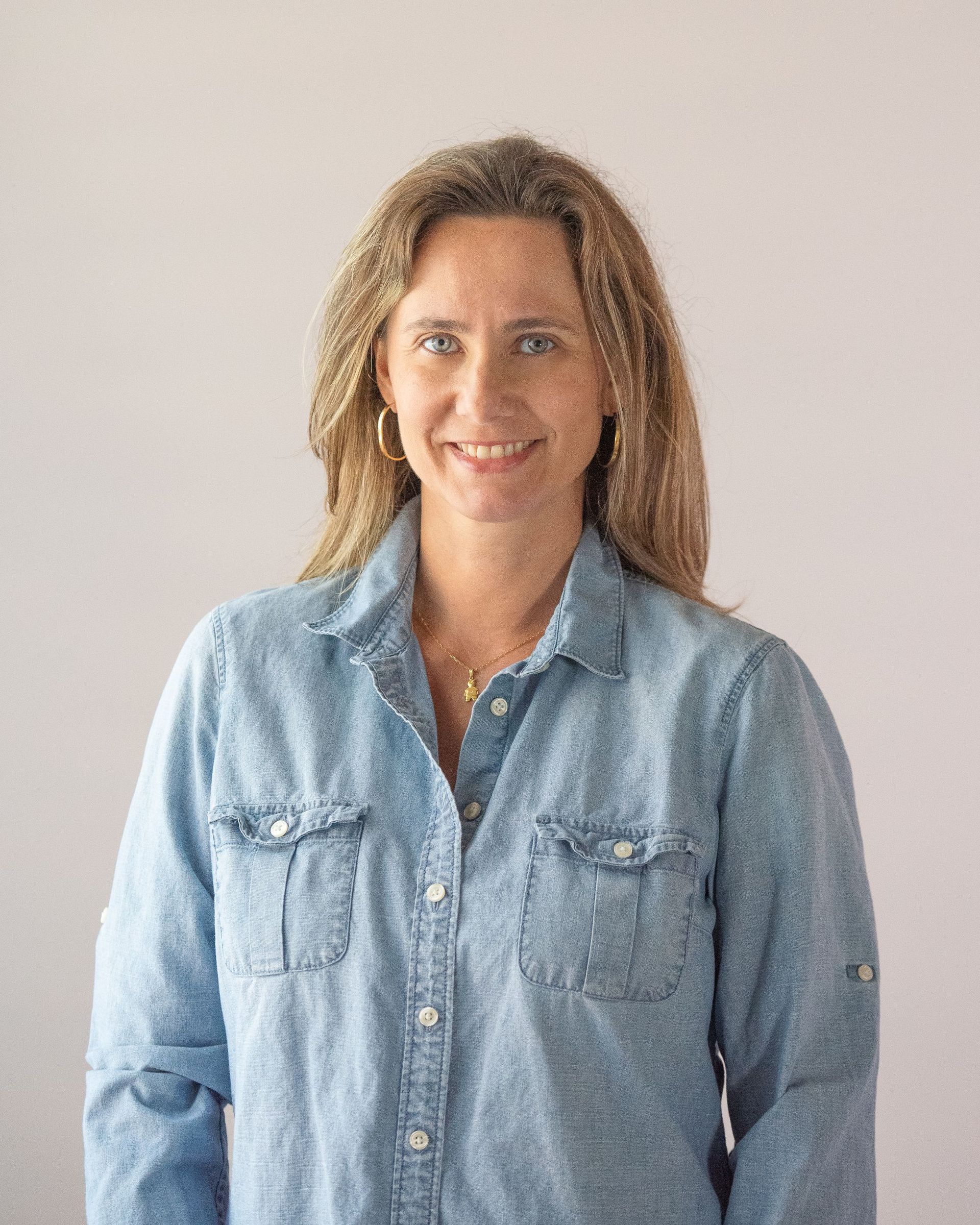
Michaela brings a thoughtful blend of international perspective, global mobility expertise, and people-centered support to her role at NetExpat. Growing up in Switzerland with British parents and immersed in multicultural environments from an early age, she developed a deep appreciation for different cultures and perspectives. Drawing on over two decades in relocation and global mobility, Michaela is passionate about the human side of international transitions, helping individuals and families navigate change with empathy, understanding, and a genuine sense of connection.
Tell us a little bit about your journey before joining NetExpat.
I was born to British parents in the UK but moved to Geneva as a baby, so I grew up predominantly in Switzerland, with a year in the US along the way. My parents both worked for an international organisation, and as a third culture kid attending international schools, I was surrounded by different nationalities and cultures from a very young age. Looking back, I suppose global mobility was a natural industry for me to find my way into!
My first role was with a small Destination Services Provider in Geneva, working with a fantastic international team and providing hands-on support to people arriving in Switzerland. I loved the human side of the role and the feeling that you could genuinely make someone's transition to a new country that little bit easier.
After moving to London in 2007, I spent 12 years with a large Relocation Management Company. It gave me exposure to many different aspects of global mobility, but I always felt particularly drawn to intercultural training and partner support because, for me, they are among the most human elements of the relocation experience.
Joining NetExpat in 2019 therefore felt like a very natural next step. Seven years later, I still feel incredibly lucky to work with such a passionate and empathetic group of people. I'm a people person at heart, I'm fascinated by cultures, and helping people genuinely gives me a buzz. That's probably the thread that connects everything I've done throughout my career.
What energizes you most about your day-to-day work at NetExpat?
There are two sides to my role that I particularly love. The first is working directly with our candidates and clients. I really enjoy listening to people’s stories and understanding their individual circumstances, concerns and needs. Every situation is different, and I find it incredibly rewarding when I can offer reassurance, find a solution or simply help make someone’s life a little easier as they navigate a period of change.
The other side of my role is managing the NetExpat Community, our online community dedicated to relocating partners and spouses. This is something I’m hugely passionate about. It allows me to connect with people all over the world, create content that is relevant to their experiences, and organise events that bring people together to learn, share their stories and, importantly, realise that they’re not alone in what they’re going through.
And finally, a huge part of what makes me love my job is the people I work with. I’m surrounded by such an empathetic, culturally sensitive and passionate group of colleagues, and that’s something I genuinely value and feel thankful for every day.

List of services
-
Looking ahead, how do you envision the global mobility industry evolving in 2026 and beyond?List Item 1
I think technology, and AI in particular, will continue to play an increasingly important role in global mobility. Used well, it gives us an exciting opportunity to further enhance the support we provide to our candidates and clients, make their experience even more personalised and responsive, and ultimately make the relocation journey smoother.
At the same time, I believe the human element will remain incredibly important. Relocation is such a personal experience, and no two individuals or families will experience it in quite the same way. Technology can enhance what we do, but there will always be a need to listen, understand individual circumstances and provide reassurance and human connection.
For me, the exciting part is finding the right balance: using AI and technology to help us deliver an even better experience, while allowing us to focus even more on the human side of mobility.
-
What’s something you’ve learned from working across cultures or borders?List Item 2
One of the biggest things I’ve learned is that no two perspectives are exactly the same, and that when it comes to culture and behaviour, there often isn’t a simple “right” or “wrong”. We’re all shaped by our backgrounds, cultures and life experiences, and I believe there is so much to be gained from approaching those differences with curiosity rather than judgement.
Above all, I’m a very strong believer that we are all equal and that everyone deserves to be heard and respected, irrespective of where they come from, what they look or sound like, their beliefs or their social background. For me, inclusivity is about being open to difference, accepting people for who they are and recognising how much we can learn from one another.
I also don’t think that learning or personal growth ever stops. Our perspectives are constantly evolving, and the more exposure we have to different people, cultures and ways of thinking, the more opportunity we have to grow. Exposure, curiosity and acceptance are key to that growth, both professionally and personally.
-
If you could give one piece of advice to someone entering the industry, what would it be?List Item 3
My advice would be to always listen to the individual and never lose sight of the person behind the process. Relocation can look very different from the outside than it feels to the person actually going through it, and some people may be dealing with challenges or sacrifices that aren’t immediately visible.
Take the time to listen, try to put yourself in their shoes and never make assumptions or judge someone’s situation. Every person, family and relocation journey is different, so remaining open-minded, empathetic and genuinely curious is incredibly important.
Processes and practicalities will always be part of global mobility, but ultimately we’re supporting people through significant changes in their lives. Never losing sight of that human element is, for me, what really matters.
Share this post