TRUE COST OF CASH/LUMP SUM: SURVEY HIGHLIGHTS
NetExpat Account • October 9, 2019

64 firms were surveyed. >50%
manage 500+ international transferees per year.
Below are the 3 main takeaways gathered from this survey.

Only 39% of companies surveyed offer a cash/lump sum relocation benefit.
61% of corporations surveyed chose not to offer cash/lump sum for the following reasons:
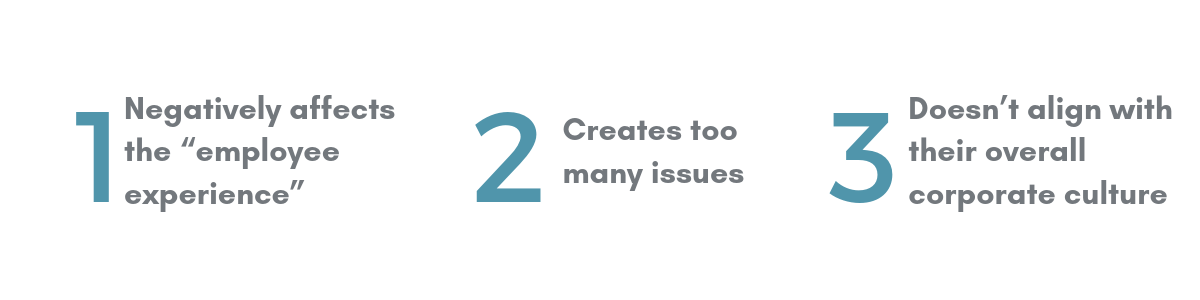
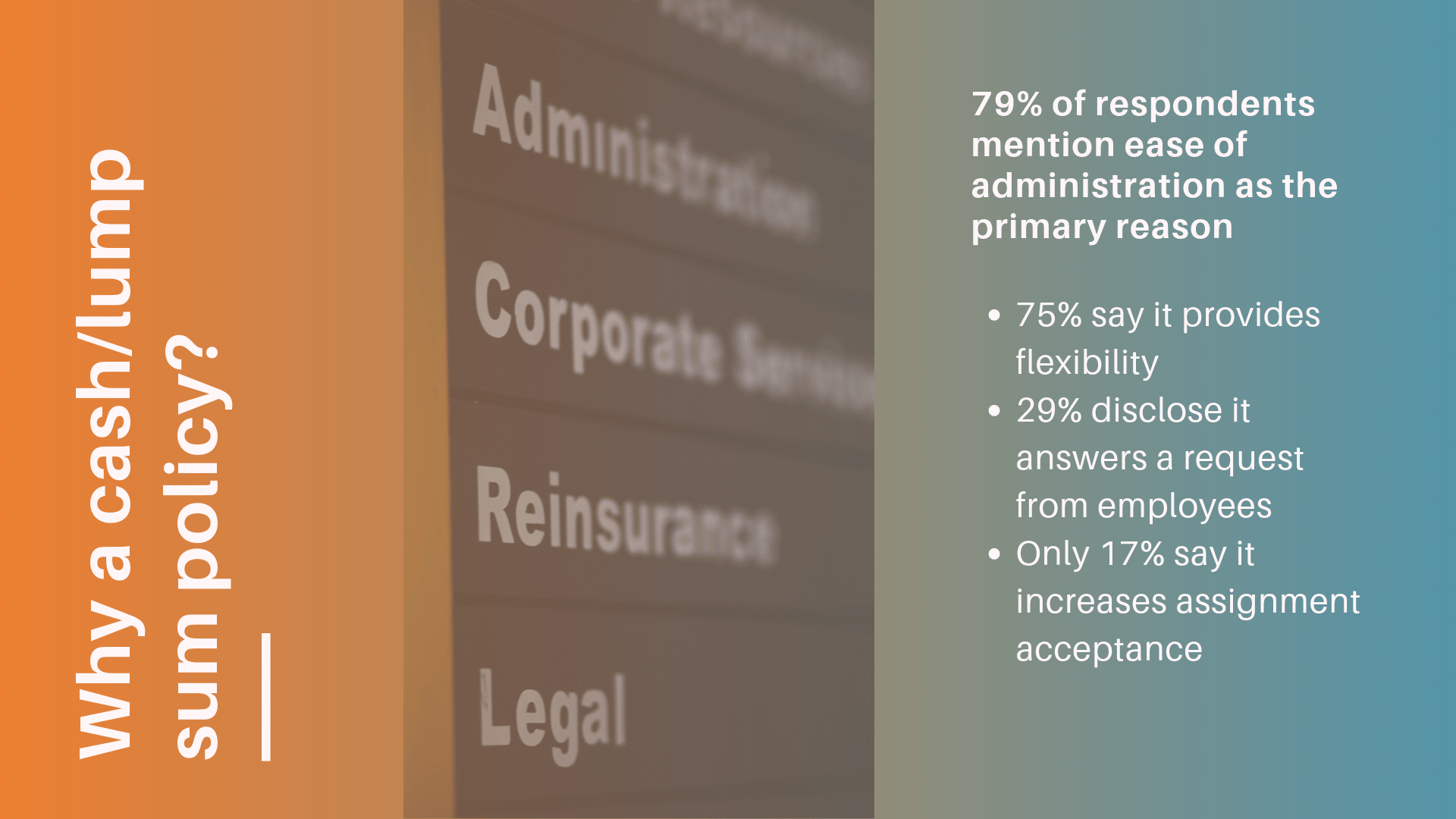

The survey highlights potential confusion: employees want “flexibility” and “choice”, not the burden of taking care of everything themselves.
Cash/lump sum, as a miscellaneous allowance policy component, is a good option to cover small settling-in expenses, but the results of this Pulse Survey indicate that a well selected list of managed services will ease the employee transfer and result in a more positive employee experience.
Download True Cost of Cash/Lump Sum Final Report
Share this post

Irini brings a thoughtful blend of intercultural insight, global mobility expertise, and people-centered support to her role at NetExpat. Growing up in Germany in a Greek-German family and later building a career spanning market research, relocation consulting, and global mobility, she developed a deep appreciation for cultural diversity and human connection. Drawing on both personal and professional experience, Irini is passionate about helping individuals and families navigate international transitions with confidence, empathy, and a sense of belonging.

When organizations talk about intercultural training, the focus is often on helping employees integrate, understand local customs, or become more culturally aware. While these are important outcomes, they’re not the only reasons to invest in intercultural development. The true value of cultural competence is far more strategic: driving better performance and business results. Employees who are chosen for international assignments, global projects, and leadership roles are already talented and capable. The challenge is not whether they can succeed, but whether the behaviors that made them successful in one culture will have the same impact in another.

Just as organizations now invest in Generative AI and Project Management skills, intercultural competence has moved from a special offering to a core capability required to collaborate, lead, and succeed across borders.

Since 2015, Massimiliano Giannandrea has served as IT Director at NetExpat, leading the development, security, and evolution of the company’s digital platforms. He works closely with business, operational, and technical teams to deliver reliable, scalable solutions that support NetExpat’s global mission. He is the architect behind the PartnerJob Explorer (PJE) platform and has helped drive the integration of AI-powered features that enhance the experience for candidates and clients worldwide. He also oversees platform stability, security, and continuous improvement while promoting collaboration and knowledge sharing across the IT team.

Learn how businesses can build workforce agility through flexible talent strategies, empowering employees and driving long-term organizational success.

When organizations support mobile employees during an intercultural assignment, they benefit long after those same individuals repatriate. The trouble is, too many businesses don’t see repatriation as a component of the assignment, which can have negative outcomes for both them and the employees they’ve invested in: Without repatriation support, employees face a myriad of challenges, from reverse culture shock and career uncertainty to feeling diminished. Businesses end up paying the price, from employees being disengaged to losing talent altogether. Both have negative impacts on a company’s ROI.

Patricia Biffi brings a rich blend of business acumen and global perspective to her role at NetExpat, shaped by her journey from Brazil’s dynamic fashion retail industry to building a new chapter in the United States. With nearly two decades of experience spanning commercial and marketing leadership, she developed a strong foundation in driving growth, building high-performing teams, and keeping people at the center of every decision. Having personally navigated the challenges of relocation and career reinvention, Patricia combines resilience, adaptability, and a people-first mindset with a deep appreciation for cross-cultural experiences and the evolving landscape of global mobility.

The pharmaceutical industry is operating under extraordinary and accelerating pressure. Patent cliffs heightened regulatory scrutiny, geopolitical instability, pricing constraints, and an increasingly complex global R&D and manufacturing footprint are pushing organizations to do more—faster, with fewer resources, and under intense public and stakeholder scrutiny. At the same time, demand for specialized talent has never been higher. Unlike extractive or capital‑intensive industries such as oil and gas, pharma cannot rely on large financial incentives to drive international mobility. Scientific, regulatory, medical affairs, and quality expertise are scarce globally—yet many of the very professionals pharma needs most are reluctant to relocate. Dual‑career households, two‑income families, caregiving responsibilities, and reduced appetite for long assignments mean traditional mobility levers are no longer sufficient. In this context, Global Mobility (GM) is no longer just an enabler of relocation—it must become a strategic talent catalyst.

Whether driven by mergers, digital transformation, geopolitical shifts, or evolving market demands, change affects every corner of a global organization. And without the right support, teams can suffer, along with morale and alignment. Profit losses, decreased productivity, attrition and reputational damage are very real risks, and often signs that an organization’s change strategy failed to account for cultural context—both the organization’s internal culture and the cultural identities of its employees. Change is universal, but how we deal with it is deeply cultural. Even the most well-designed initiative can falter if it overlooks one critical factor: how people experience change. In global teams, that experience isn’t just shaped by roles, responsibilities, and team dynamics. It’s also shaped by the cultural norms, values, and perspectives each person brings to the workplace. And when leaders assume their teams will respond to change the same way they do, communications and processes can quietly unravel—sometimes under the radar and long before the negative impacts are fully recognized. To lead and address change effectively, business leaders need to understand the cultural lenses that shape how change is perceived, processed, and embraced (or rejected).

This blog post offers a glimpse into the exclusive content available to members of the NetExpat Community —designed specifically for the partners and spouses of transferees. From curated resources to peer-driven insights, this sample reflects the kind of meaningful support that helps partners/spouses feel seen, connected, and empowered.