Human-Centered Mobility in a Tech-Driven World
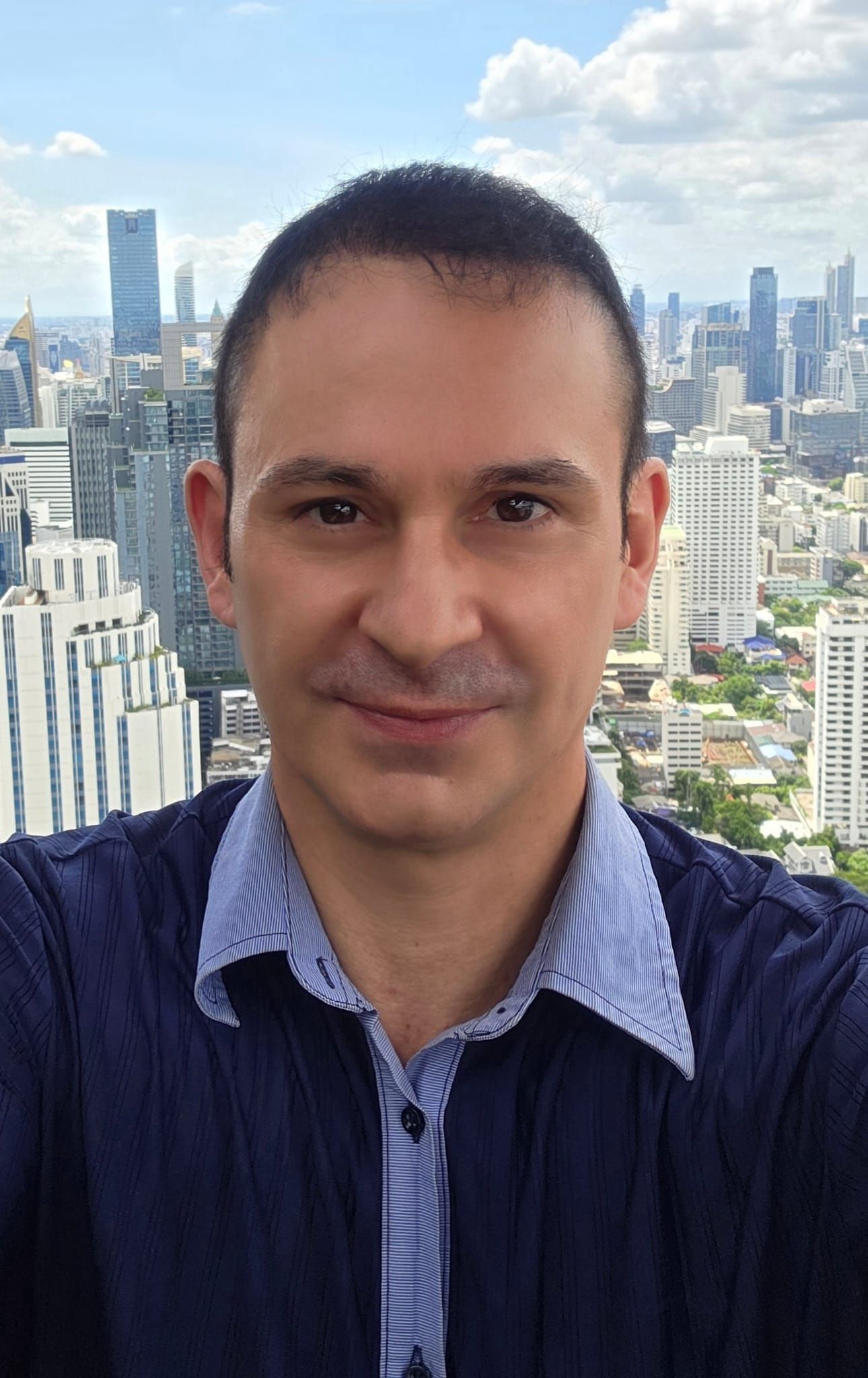
Alain Verstandig • September 9, 2025

Editorial from NetExpat Perspectives Newsletter Q3 2025

At NetExpat, our mission has always been clear: to support the human side of relocation. That means not only guiding employees through professional transitions, but also ensuring their partners and families feel seen, supported, and empowered every step of the way.


As we continue to evolve, we’re embracing technology, not to replace the human connection, but to deepen it. Artificial Intelligence is helping us personalize our services in ways we couldn’t before: identifying needs earlier, tailoring resources more precisely, and streamlining access to care. For example, our Partner Job Explorer (PJE) now includes AI-enhanced features that help spouses/partners explore career opportunities and apply to positions with greater clarity and confidence.


We know that behind every assignment is a family navigating change. That’s why our approach remains deeply human. Our coaches, trainers, and support teams continue to lead with compassion, cultural sensitivity, and a commitment to listening. Technology is simply helping us do that better, more responsively, more inclusively, and more sustainably.


We’re also investing in smarter systems that allow us to scale our impact while preserving the warmth and trust that define our services. AI is helping us ask better questions, anticipate challenges sooner, and deliver insights that make a real difference in people’s lives. But the heart of our work remains unchanged: it’s about people helping people.


We’re innovating with purpose, always guided by the belief that successful mobility starts with human connection. Whether it’s a partner seeking career continuity, a child adjusting to a new school, or an employee balancing multicultural team environments, our goal is to be there, with the right support at the right time.


Thank you for being part of this journey. Together, we’re shaping a future where talent mobility is not just efficient, but truly caring.

Alain Verstandig

President

NetExpat


Subscribe to Perspectives, NetExpat’s quarterly newsletter, for fresh insights on global talent mobility. Each issue features event highlights, industry updates, and expert perspectives to help you stay informed and inspired.

Subscribe to Our Newsletter

Share this post

July 1, 2026
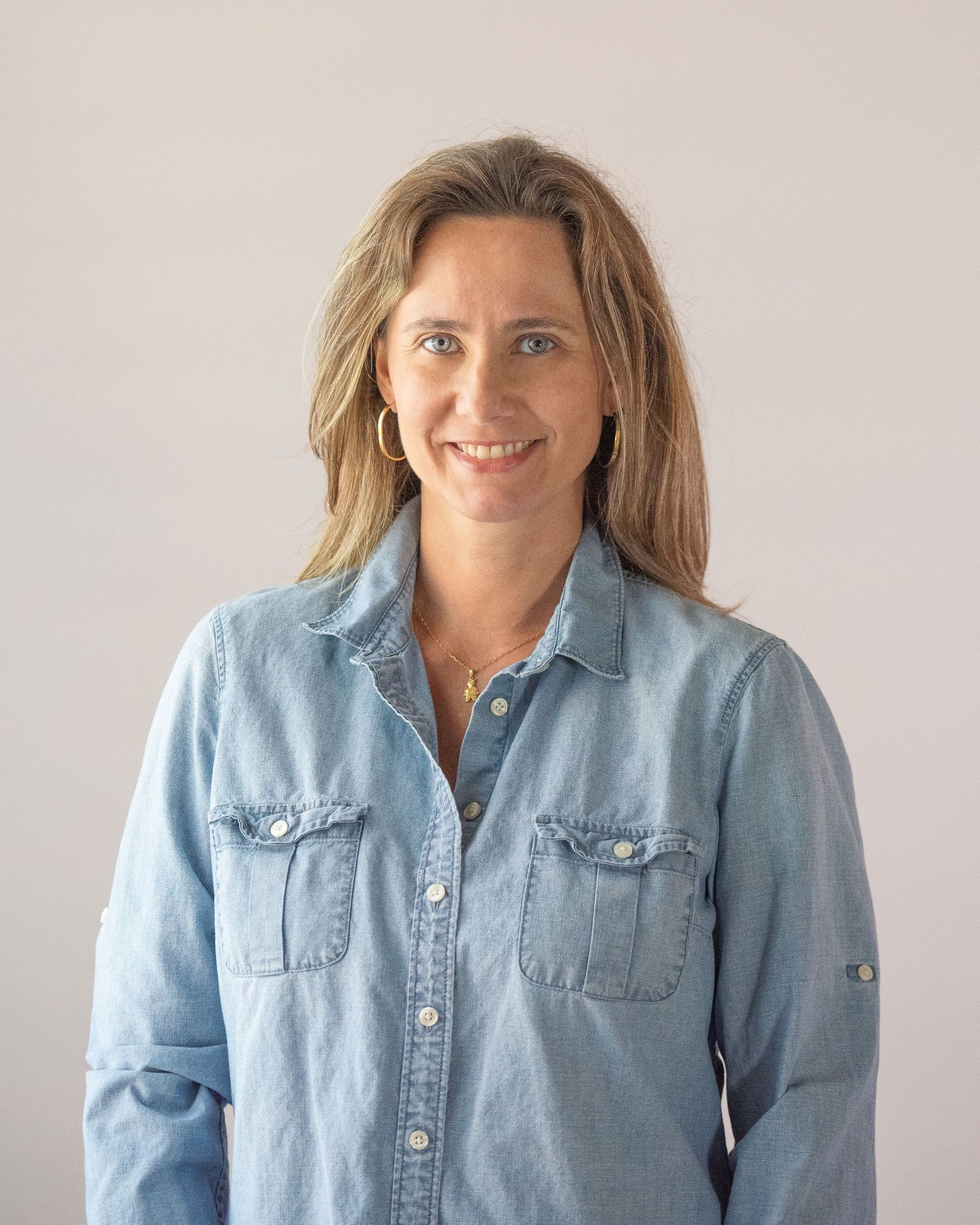
Patricia Biffi brings a rich blend of business acumen and global perspective to her role at NetExpat, shaped by her journey from Brazil’s dynamic fashion retail industry to building a new chapter in the United States. With nearly two decades of experience spanning commercial and marketing leadership, she developed a strong foundation in driving growth, building high-performing teams, and keeping people at the center of every decision. Having personally navigated the challenges of relocation and career reinvention, Patricia combines resilience, adaptability, and a people-first mindset with a deep appreciation for cross-cultural experiences and the evolving landscape of global mobility.
By NetExpat Account July 1, 2026
The pharmaceutical industry is operating under extraordinary and accelerating pressure. Patent cliffs heightened regulatory scrutiny, geopolitical instability, pricing constraints, and an increasingly complex global R&D and manufacturing footprint are pushing organizations to do more—faster, with fewer resources, and under intense public and stakeholder scrutiny. At the same time, demand for specialized talent has never been higher.  Unlike extractive or capital‑intensive industries such as oil and gas, pharma cannot rely on large financial incentives to drive international mobility. Scientific, regulatory, medical affairs, and quality expertise are scarce globally—yet many of the very professionals pharma needs most are reluctant to relocate. Dual‑career households, two‑income families, caregiving responsibilities, and reduced appetite for long assignments mean traditional mobility levers are no longer sufficient. In this context, Global Mobility (GM) is no longer just an enabler of relocation—it must become a strategic talent catalyst.
By NetExpat Account June 16, 2026
Whether driven by mergers, digital transformation, geopolitical shifts, or evolving market demands, change affects every corner of a global organization. And without the right support, teams can suffer, along with morale and alignment. Profit losses, decreased productivity, attrition and reputational damage are very real risks, and often signs that an organization’s change strategy failed to account for cultural context—both the organization’s internal culture and the cultural identities of its employees. Change is universal, but how we deal with it is deeply cultural. Even the most well-designed initiative can falter if it overlooks one critical factor: how people experience change. In global teams, that experience isn’t just shaped by roles, responsibilities, and team dynamics. It’s also shaped by the cultural norms, values, and perspectives each person brings to the workplace. And when leaders assume their teams will respond to change the same way they do, communications and processes can quietly unravel—sometimes under the radar and long before the negative impacts are fully recognized. To lead and address change effectively, business leaders need to understand the cultural lenses that shape how change is perceived, processed, and embraced (or rejected).
By NetExpat Community June 10, 2026
This blog post offers a glimpse into the exclusive content available to members of the NetExpat Community —designed specifically for the partners and spouses of transferees. From curated resources to peer-driven insights, this sample reflects the kind of meaningful support that helps partners/spouses feel seen, connected, and empowered.
By NetExpat Account May 13, 2026
Meet Pawl Mika, a globally minded leader at NetExpat whose international career and personal relocation experience shape his people-first approach to global mobility, client success, and team collaboration.
Car racing into sunrise
By NetExpat Account May 13, 2026
Navigating ambiguity in the automotive industry requires more than technical expertise. Discover how intercultural capability helps global teams improve communication, align priorities, and stay competitive under pressure.
By NetExpat Account May 5, 2026
Gabi brings a thoughtful, human‑centered approach to her work at NetExpat, shaped by a background in intercultural communication and international collaboration. With a strong belief that cultural competence is built through awareness, adaptability, and reflection, she designs practical, evidence‑based learning experiences that help people navigate complexity with confidence. Passionate about how adults learn and change, Gabi is motivated by creating solutions that make a real difference in how individuals and organisations work, connect, and thrive across cultures.
By Alain Verstandig April 13, 2026
Duty of care has long been central to global mobility—but its scope is widening. As organizations face new workforce expectations, diverse family profiles, and increasingly global teams, the question becomes: What does meaningful care look like today?
By NetExpat Account April 7, 2026
In a recent conversation with NetExpat, Mark Vaughan, Head of Global Mobility Policy at Maersk, offered a candid look at what it takes to modernize mobility policies in a way that is practical, inclusive, and aligned with today’s workforce realities.
By NetExpat Account March 6, 2026
Sam combines a bilingual, multicultural upbringing with deep global mobility experience. Born in Belgium to a British father and Belgian mother, she began her career in education—later moving into consultancy and, in 2003, into international mobility. At NetExpat since 2009, Sam blends operational excellence with advisory insight, working directly with clients and assignees to design people‑centered solutions. She thrives on building trusted relationships across cultures and supporting family wellbeing, partner careers, and sustainable assignments. Her practical, empathetic approach turns complex mobility challenges into positive outcomes for organizations and the people they move.
Show More