Running Lean, Running Global: The Cultural Factor Automotive Leaders Can’t Ignore

The automotive industry is operating in an unprecedented state of ambiguity. Ongoing geopolitical tensions, supply-chain disruptions, tariff uncertainty, electrification pressures, and workforce shortages mean organizations are being asked to do more with less, meet shorter deadlines, and postpone or reshuffle strategic projects with little warning. In this environment, technical expertise alone is no longer sufficient. Intercultural capability has become a core business skill, not a “nice to have.”
NetExpat’s
Intercultural Landscape Survey results reveal that
96% of global organizations consider cultural agility to be extremely or very important, with the biggest impacts seen in
communication, teamwork, and leadership effectiveness—precisely the capabilities under strain in today’s automotive sector. Yet the same research highlights persistent gaps: over
60% of leaders and teams identify effective communication as their top challenge, followed closely by teamwork and trust-building across cultures.
Automotive Reality: When Workstyles Collide Under Pressure
One of the most critical—and often invisible—intercultural fault lines in automotive organizations concerns
how priorities are set and executed. Many headquarters and leadership cultures favor
sequential prioritization: finish Project A, then move to Project B. However,
not all cultures work this way. In global automotive environments, teams may operate with
parallel priorities, evolving deadlines, and a high tolerance for ambiguity.

At leadership level, global executives may interpret parallel work as a lack of focus, while regional leaders see rigid sequencing as unrealistic under constant change.

In engineering and project teams, mismatched expectations around escalation, re-prioritization, and decision speed can delay launches or increase rework.
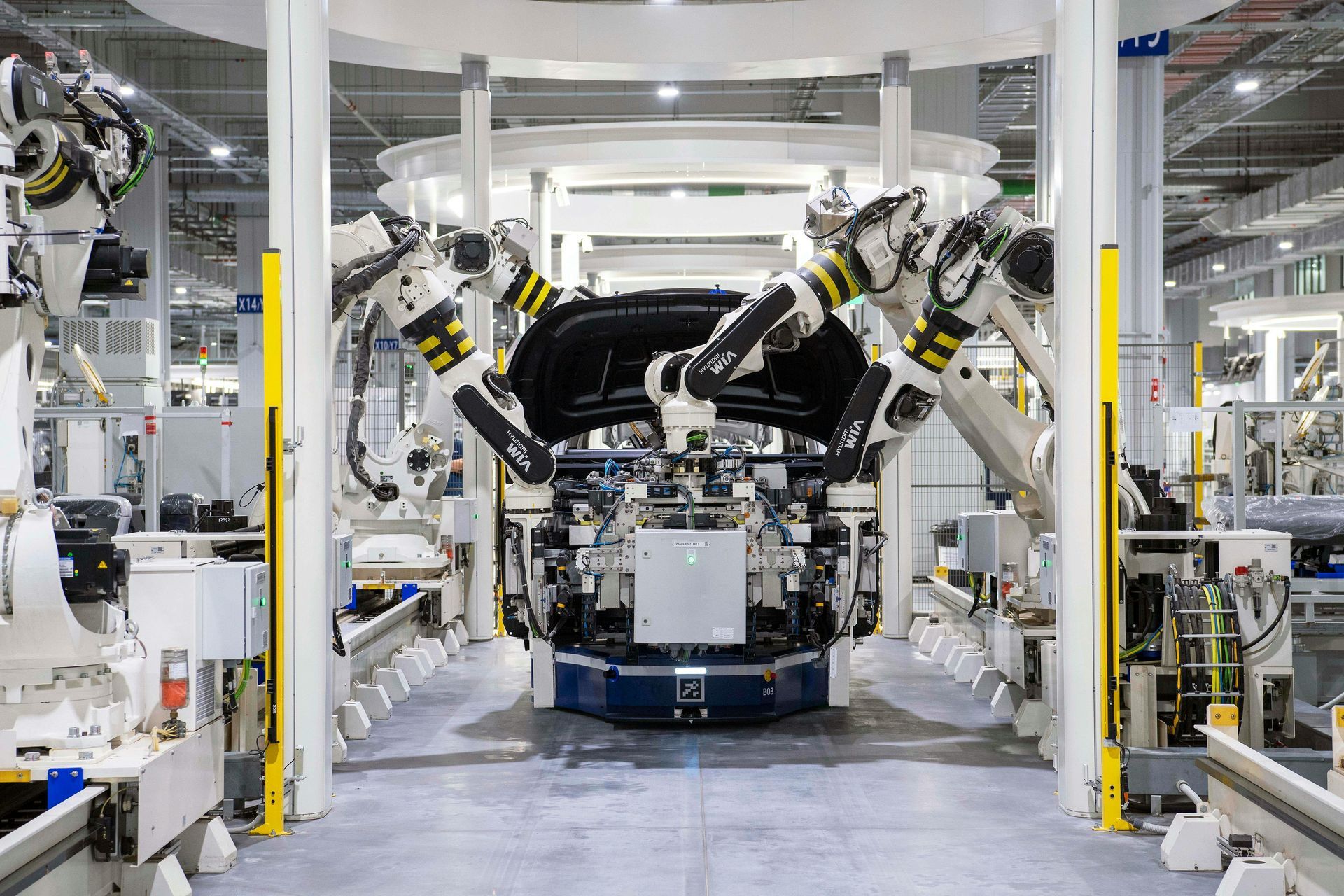
On the factory floor, frontline supervisors working in multicultural teams may experience friction when some employees wait for explicit direction while others act proactively—each believing they are “doing the right thing.”
These tensions are amplified when projects are postponed, resources reduced, and timelines compressed—now the norm rather than the exception in automotive manufacturing.
Practical Intercultural Tips for Automotive Organizations

Intercultural training today must be practical, role-specific, and immediately applicable:
- Make priorities explicit. Do not assume shared understanding. Clarify whether priorities are sequential, parallel, or conditional—and revisit them often.
- Adjust leadership signaling. In high-pressure environments, silence can be misread. Leaders should over-communicate context, trade-offs, and decision rationale.
- Equip supervisors, not just executives. Surveys show that non-mobile and frontline employees also experience intercultural stress but receive far less support.
- Train for ambiguity tolerance. Intercultural learning increasingly focuses on building flexibility, influencing skills, and trust under uncertainty rather than static “dos and don’ts”. [cartus.com]
From Survival to Strategic Advantage
Automotive organizations that invest in intercultural capability are better equipped to prioritize under pressure, align across borders, and maintain momentum despite constant disruption. In an industry where margins are tight and mistakes are costly, cultural agility is no longer about global niceties—it is about execution, resilience, and staying competitive in an ambiguous world.
Top 5 Intercultural Risks in Automotive Projects Today
-
1. Misaligned PrioritizationList Item 1
Under Pressure Global teams often differ on how priorities are handled. While some cultures expect clear sequencing (finish A, then B), others work multiple priorities in parallel—a risk when deadlines tighten and trade-offs are not made explicit.
-
2. Assumed ClarityList Item 2
That Doesn’t Exist In fast-moving automotive projects, leaders may believe direction is obvious. In reality, ambiguous signals around urgency, ownership, and escalation are interpreted very differently across cultures—leading to delays, rework, or unintended “workarounds.”
-
3. Decision-Making Bottlenecks Across Borders
What feels like prudent consensus in one culture may appear as indecision in another. Conversely, rapid decisions made at HQ can be experienced as bypassing local expertise—eroding trust at regional sites and plants.
-
4. Leadership Blind Spots Between HQ and Factory Floor
Intercultural strain is often most visible among frontline supervisors and operators working in multicultural teams, yet they receive the least support. Misunderstandings around initiative, compliance, and speaking up can directly impact quality and safety.
-
5. Escalation Fatigue in a ‘Do More with Less’ Environment
When projects are postponed, restart frequently, or change scope, global teams escalate differently—or stop escalating altogether. Cultural discomfort with raising issues early can turn small risks into costly disruptions.
For over 25 years, NetExpat has supported global organizations across industries in developing the intercultural capabilities needed to perform under pressure. Our tailored solutions help leaders, engineers, and frontline teams align priorities, strengthen communication, and build trust across borders, even in the most ambiguous environments. To learn how we can help your organization turn cultural complexity into a strategic advantage, contact us at info@netexpat.com.
Share this post