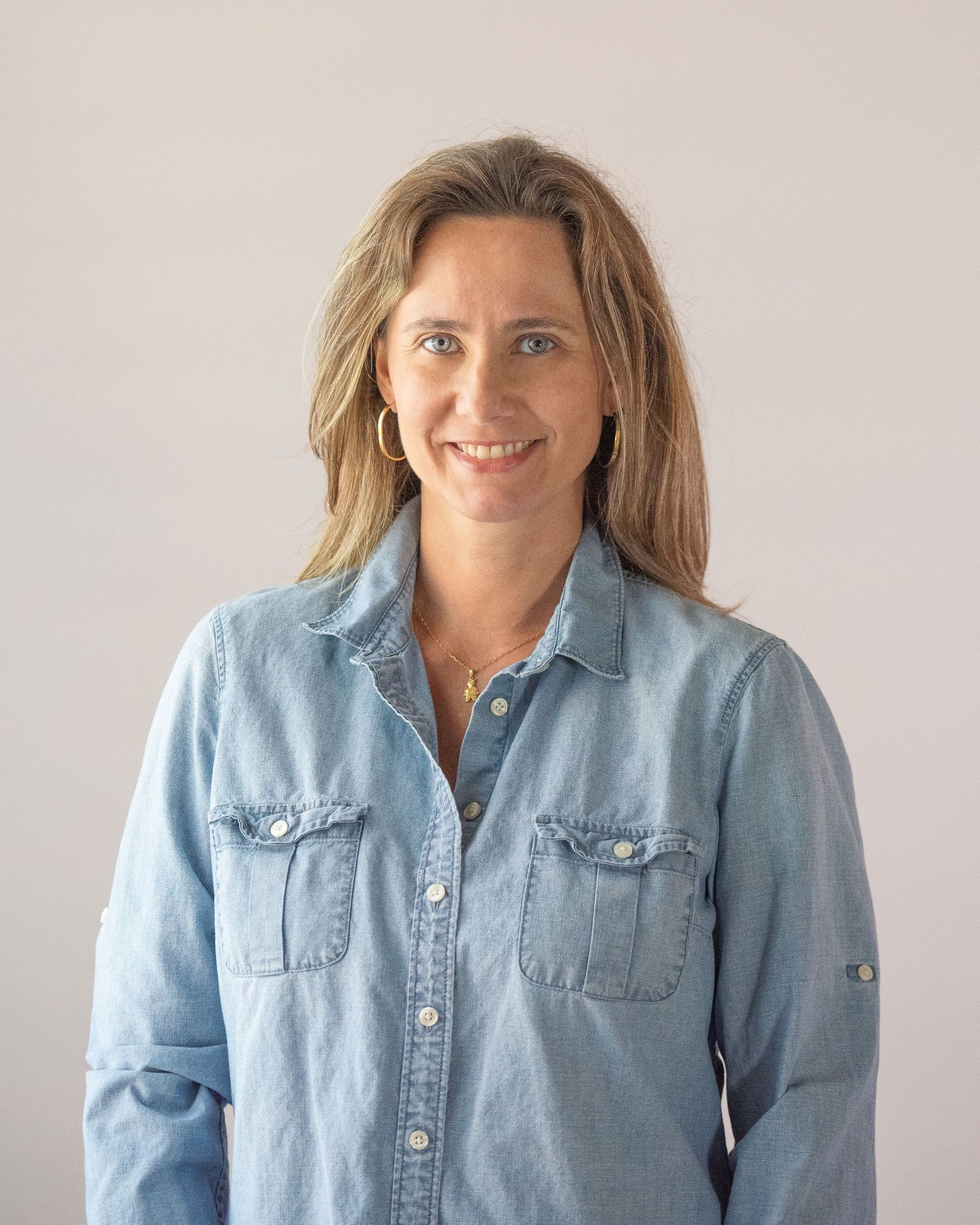
Team Spotlight: Gabriela Weglowska

Gabi brings a thoughtful, human‑centered approach to her work at NetExpat, shaped by a background in intercultural communication and international collaboration. With a strong belief that cultural competence is built through awareness, adaptability, and reflection, she designs practical, evidence‑based learning experiences that help people navigate complexity with confidence. Passionate about how adults learn and change, Gabi is motivated by creating solutions that make a real difference in how individuals and organisations work, connect, and thrive across cultures.
Tell us a little bit about your journey before joining NetExpat.
Before joining NetExpat, my career developed around international work, intercultural communication, and people‑centred learning. I graduated with an MA in Intercultural Communication, and worked with global professionals and organisations across countries, using learning to support cross‑border collaboration. Along the way, I learned that cultural competence isn’t about memorising facts, but about awareness, adaptability, and making conscious behavioural choices.
Working in multicultural settings showed me how easily good intentions can be misread—and how much that affects trust, performance, and well‑being. Those experiences shaped my belief in practical, reflective, and evidence‑based solutions that work in real life, not just in theory.
That journey naturally led me to NetExpat, where I can combine strategy, learning design, and innovation to help individuals and organisations build sustainable global effectiveness.

What energizes you most about your day-to-day work at NetExpat?
What energizes me most in my day‑to‑day work at NetExpat is helping people genuinely learn. I’m at my best when I’m designing or refining learning journeys that make complex intercultural challenges feel understandable, relevant, and manageable for people in real situations.
I’m particularly inspired by applying insights from neuroscience and learning effectiveness—understanding how adults actually learn, retain, and apply new behaviours under pressure. Designing programs that take cognitive load, emotional engagement, reflection, and habit formation into account makes the work both intellectually stimulating and deeply meaningful for me.
I also get a lot of energy from collaborating with colleagues, trainers, and clients to turn abstract concepts into practical, human-centred solutions; whether that’s a workshop, a digital learning journey, or a moment of insight that helps someone feel more confident and effective across cultures.
At the core, what motivates me is knowing that what I do changes how people think, interact, and show up in the world.

List of services
-
Looking ahead, how do you envision the global mobility industry evolving in 2026 and beyond?List Item 1
Looking ahead to 2026 and beyond, I see the global mobility industry becoming more human, more agile, and more connected to business and talent strategy. Traditional, one‑size‑fits‑all mobility models are giving way to more flexible approaches that reflect how people actually work, live, and move today - whether short‑term, project‑based, hybrid, or fully global careers.
Learning and development will play a much bigger role. Organisations are realising that supporting international employees is not just about logistics, but about capability, confidence, and wellbeing over time. I expect a continued shift from one‑off pre‑departure training to continuous, just‑in‑time learning journeys, supported by digital tools and personalised insights.
Technology, including AI, will increasingly enhance decision‑making and learning effectiveness, but I believe the real value will come from how thoughtfully it’s applied. The future of mobility isn’t automated support alone; it’s smart, evidence‑based, human‑centred solutions that help people make sense of complexity and perform at their best.
Finally, I think the industry will place even greater emphasis on employee experience, inclusion, and sustainability - recognising that successful global mobility isn’t just about moving people, but about helping them thrive, belong, and contribute meaningfully across cultures.
-
What’s something you’ve learned from working across cultures or borders?List Item 2
One of the most important things I’ve learned from working across cultures is the need to build resilience, adaptability, and critical thinking - in myself and in others. Cross‑border work rarely goes as planned, and success depends less on having the “right answers” and more on staying curious, flexible, and open to re‑framing situations.
I’ve seen that learning really sticks when people are encouraged to pause, question their assumptions, and experiment with different ways of responding. Developing these skills helps people feel more confident navigating ambiguity and difference, and ultimately makes them more effective, thoughtful, and human in how they work across cultures.
-
If you could give one piece of advice to someone entering the industry, what would it be?List Item 3
My advice would be to stay curious and focus on how people actually learn and change, not just on frameworks or expertise. Early in my career, I remember spending a lot of time polishing materials and trying to “get the content right,” only to realise during a session that what really landed were the questions and conversations, not the slides themselves.
That moment shifted how I approach the intercultural training field. I learned that real impact comes from listening, asking thoughtful questions, and helping people develop self‑awareness and adaptability. You don’t need to have all the answers - what matters most is creating the conditions for people to think differently and grow.
Share this post