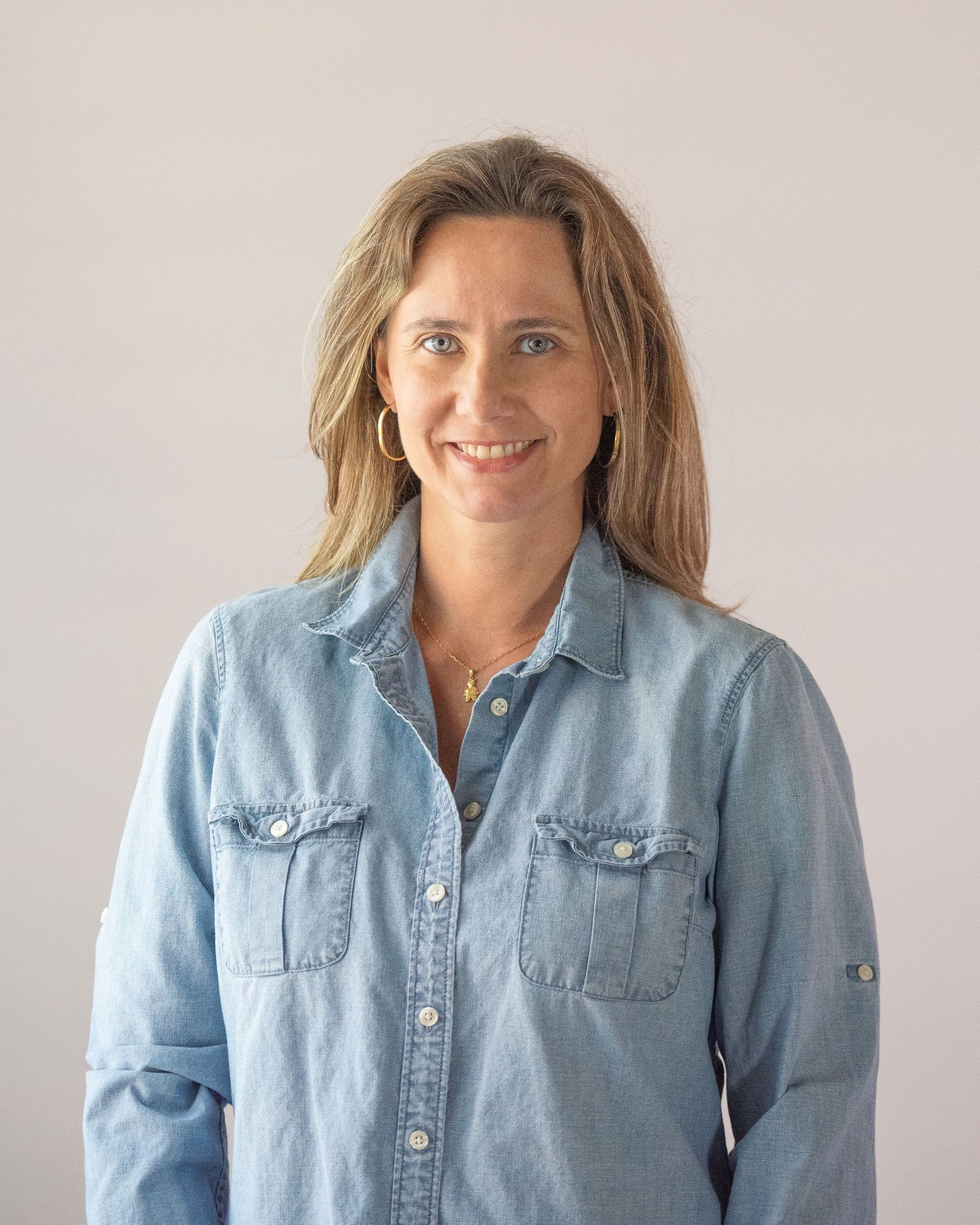
Team Spotlight: Sam Pinney

Sam combines a bilingual, multicultural upbringing with deep global mobility experience. Born in Belgium to a British father and Belgian mother, she began her career in education—later moving into consultancy and, in 2003, into international mobility.
At NetExpat since 2009, Sam blends operational excellence with advisory insight, working directly with clients and assignees to design people‑centered solutions. She thrives on building trusted relationships across cultures and supporting family wellbeing, partner careers, and sustainable assignments. Her practical, empathetic approach turns complex mobility challenges into positive outcomes for organizations and the people they move.
Tell us a little bit about your journey before joining NetExpat.
I was born in Belgium to a British father and a Belgian mother and grew up in a truly multicultural, bilingual environment. My father was an entrepreneur and ran his own business, which meant that from a very young age our home was filled with visitors from different countries and cultures. I was fascinated by it all—and I still remember running to answer the phone, excited to act as the “PA” long before I knew what that role really meant.
I began my professional journey as a primary school teacher in Belgium, before moving to the UK to work in a private school as a Deputy Housemistress. In that role, I was responsible for the wellbeing of around 60 girls from a wide range of nationalities. Many were from China and Hong Kong, and I vividly remember being struck by how, even at the age of 11, cultural differences were already clearly visible—whether in attitudes to study, work‑life balance, friendships, or group dynamics. Observing and navigating those differences was endlessly fascinating and deeply formative.
I later worked for a consultancy management firm in the UK, where I was once again immersed in intercultural dynamics. I was responsible for ensuring smooth collaboration between the French and UK offices—an experience that was both challenging and energizing, and where there was truly never a dull moment.
My formal journey into global mobility began in 2003, when I joined a large relocation management company in the UK as an International Assignment Manager, working on a key global account. It was, without question, the best training I could have had. This role eventually brought me back to Belgium, where I worked for a local relocation company before starting what has been an incredibly rewarding chapter at NetExpat in June 2009.
Since joining NetExpat, I’ve never looked back. It’s a role where everything comes together—my early life experiences, cultural curiosity, and professional skills are all in play every single day. I genuinely believe it’s one of the best jobs you can have, and I’m sure many would agree.
What energizes you most about your day-to-day work at NetExpat?
What energizes me most about my day‑to‑day work at NetExpat is the truly global nature of the role—and, even more so, the people. I have the privilege of interacting with individuals from all walks of life, across cultures, industries, and career stages, which makes every day both stimulating and meaningful.
I’m particularly fortunate to be in a role that combines both operational and advisory work. This means I work closely not only with our clients, but also directly with the candidates who benefit from NetExpat’s support. Having visibility into both perspectives allows me to deeply understand client needs while staying connected to the real, human impact of the solutions we deliver.
Travel has also been a major source of inspiration. Through my role, I’ve had the opportunity to discover Asia and experience its rich and diverse cultures firsthand. Added to this is the daily interaction with our global consultants and colleagues—no two days are ever the same.
Above all, building strong, trusted relationships with the people I work with is the most rewarding part of my role. When challenges arise, being able to navigate them collaboratively—working hand in hand with clients and consultants to find solutions and overcome obstacles—makes the work even more fulfilling. It’s this combination of human connection, problem‑solving, and global collaboration that continually inspires me.

List of services
-
Looking ahead, how do you envision the global mobility industry evolving in 2026 and beyond?List Item 1
As technology continues to evolve and makes certain aspects of our work easier, I truly believe that the human touch will remain just as valuable—if not more so. Once the initial excitement around new technology and AI settles, the importance of human connection will come through even more strongly. People will increasingly crave empathy, understanding, and genuine interaction.
In global mobility, this will translate into a greater focus on wellbeing, family support, partner careers, and the long‑term sustainability of assignments. Clients will continue to need guidance rather than just tools, and mobility teams will increasingly work as strategic partners alongside HR and Talent functions, helping organisations navigate complexity in a thoughtful and human‑centred way.
We already see similar trends in other areas of life. People are returning to local shops and small businesses rather than relying solely on large retailers or online shopping, because they value personal service and connection. Others are choosing to cook with fresh, locally grown ingredients instead of fast food, seeking quality, authenticity, and meaning.
For me, global mobility will follow the same path. While technology and AI will play an important supporting role, people will continue to seek—and value—the human touch. Ultimately, successful mobility will be about relationships, trust, and understanding, not just systems and processes.
-
What’s something you’ve learned from working across cultures or borders?List Item 2
One of the most important things I’ve learned from working across cultures and borders is that while we are all unique, we are also fundamentally very similar. We may have different ways of doing things, and what feels “right” to one person may not feel the same to another—but it’s in finding that common ground, and learning how to navigate those differences, that real connection happens.
Working across cultures has taught me the value of curiosity—being genuinely interested in how others think, work, and live, while also feeling excited to share my own culture in return. That exchange creates understanding and mutual respect.
I’ve also learned that some forms of language are universal, regardless of culture or geography. Courtesy, a smile, politeness, and a genuine desire to connect transcend borders. When people feel seen, respected, and listened to, relationships naturally form—even when words, habits, or working styles differ.
Ultimately, working across cultures has shown me that differences don’t divide us; they enrich us. It’s how we approach those differences—with openness, empathy, and curiosity—that brings us together.
-
If you could give one piece of advice to someone entering the industry, what would it be?List Item 3
If I could give one piece of advice to someone entering the industry, it would be: don’t worry about a lack of experience—you’ll learn along the way. What matters far more is your mindset.
Be passionate, genuinely interested in others, and show empathy and curiosity. If you approach people with openness and a desire to understand, the technical knowledge and processes will come with time.
If you enjoy building relationships, connecting with people from different backgrounds, and helping others navigate change, then this is a wonderful industry to be in. The human side of global mobility is what truly makes the difference—and that’s something you can’t learn from a manual, but you can bring with you from day one.
Share this post