India’s Expanding Role and Influence on the Global Market
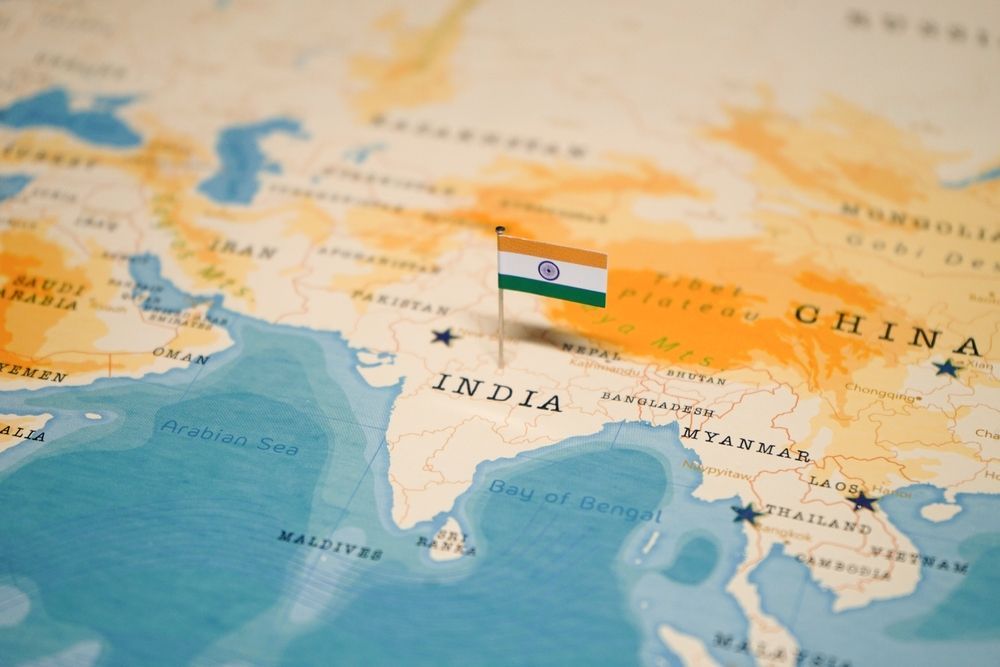
Over the years, India has transformed from a hub of service centers to a strong competitor in the global market. And with an impressive 45% growth rate since last year, companies from burgeoning industries — from oil and gas to consumer goods, technology and petrochemicals — are thriving. What does this mean for multinational corporations, organizations hoping to secure skilled talent, and companies conducting business with India-based colleagues and partners? To be successful, they’ll need to understand the nuances of Indian culture, support intercultural training and communications among their workforces, and design inclusive, equitable mobility programs for Indian nationals that will be relocating to other parts of the world.
This blog post discusses how India’s growth directly impacts global businesses, three ways Indian cultural norms present themselves in business scenarios, and what businesses can do to optimize intercultural relationships with Indian expats and nationals to positively impact their business efforts. But first, let’s explore some of the factors that have played a part in India’s economic rise since its first call center was established in 1998.
Reasons for India’s rapid advancement
An expanding services sector, growing infrastructure, and investment growth have all impacted India’s shifting place in the global economy — along with a reform-oriented government’s increased support in the areas of employment; technology; strategic security; and increased urbanization, literacy, and both managerial and labor skills. Additionally, the implementation of a Goods and Services Tax (GST) has streamlined the country’s tax structure and promoted economic efficiency and integration. The results have included an increase in skilled workers and competitive talent; integration into global supply chains; growth in manufacturing, pharmaceuticals and renewable energy; and the country’s expansion as an exporter of goods and services, with exponential growth of its global footprint.
How India’s growth impacts global businesses
As India has grown, so has its contributions to and position within the global market. With this in mind, organizations would do well to consider the following factors and action steps when hiring or working with working with individuals from India:
An expanded talent pool:
As outbound Indian nationals expand the global talent pool, companies that hope to attract and retain them should understand the cultural norms that influence their behaviors and decision making. For instance, unlike many countries where a mobile employee would only expect to relocate with an accompanying spouse/partner and children, Indian nationals will often expect — and might need — to relocate with extended family members, too. To successfully integrate and excel in their assignments, Indian employees will also need to understand any differences in cultural or communication styles, or business practices in their new host location.
What organizations should do:
To ensure organizations attract and retain Indian talent — and Indian mobile employees are successful on assignment — mobility programs should be designed to be equitable and inclusive, addressing the needs of all relocating family members.
A growing number of service hubs:
As more and more organizations turn to Indian workforce support to facilitate customer service functions, the more important it will be to ensure that Indian nationals understand the needs of foreign customers. Take, for example, the case where a German national may call an Indian call center to explain a problem they may be having: While the German customer would typically value a quick resolution to a problem, Indian customer service representatives assume they’re providing the best service possible by taking a great deal of time to thoroughly understand an issue. A German customer who doesn’t understand this about Indian culture may become noticeably frustrated during a troubleshooting session; the Indian customer service representative then might feel insulted and think their customer is rude when that frustration becomes obvious.
What organizations should do:
When a company’s customer service reputation suffers, so does its bottom line. To avoid intercultural misunderstandings, customer dissatisfaction, and feelings of inadequacy among its staff members, intercultural training should be provided to any Indian national performing customer service duties.
A need for intercultural understanding
Because different cultures have different perceptions, values, and ways of doing business, misunderstandings are more likely to occur if your employees don’t understand how those differences can have a negative impact on intercultural communication, business practices, and interactions. When doing business with individuals from India, here are three potential pitfalls to keep in mind:
List of services
-
1. Hierarchical Structures:List Item 1
In India, employees expect to take direction from their managers rather than acting independently in the workplace. So if Indian expats find themselves working for an organization in a culture that values initiative, they may end up consistently feeling frustrated by a lack of clear instructions, while their supervisor might misinterpret their direct reports’ inaction as a lack of confidence, skill, or motivation. Eventually, this can lead to misunderstandings, with the supervisor losing patience — and the employees eventually becoming disengaged. The downstream negative impacts can be critical, from lost productivity and revenue to employee attrition.
-
2. Communication Style:List Item 2
Indians use indirect, nuanced communication to be respectful, avoid confrontation, and maintain harmony. They also value formality, respect, and politeness, so they’ll likely be extremely diplomatic when expressing their disagreement, feedback, or criticism. This can often lead to misunderstandings when Indian employees report to supervisors from cultures where communication is direct, and supervisor/employee relationships can border on informal, such as the United States. In a case like this, an Indian expat may feel very uncomfortable if her American supervisor insists on being called by his first name. On the other hand, if that same Indian expat is the one supervising a team of Americans, she may be equally offended if her direct reports behave informally, casually referring to her by her first name.
-
3. Decision Making Norms:List Item 3
India’s culture is group-oriented, so decisions are typically made from the top down, and it’s typical for business decisions to be made with the input of multiple stakeholders. The ability to trust is key, so decisions are also based on the input of valued contacts, networks and vendors, also carefully chosen based on their reliability and trustworthiness. Non-Indian individuals attempting to do business with Indian-based companies may find this frustrating when they are hoping for quick decisions, partnerships, and outcomes. Indian expats working in countries where autonomy is the norm may worry about making a “wrong” decision, when asked to make decisions without consensus or support.
What organizations should do:
When cultural differences cause misunderstandings in the workplace, they have downstream impacts on a company’s productivity and success. To ensure that global workforces understand each other’s cultural perspectives, values, and behaviors, organizations should provide intercultural training to all Indian nationals and expats, regardless of tier or location, and the global workforces interacting with them.
Ignoring intercultural differences can be costly
When faced with a need to provide sufficient relocation benefits and support to Indian expats — and intercultural training to Indian nationals — organizations often worry that the cost will be too high. But if we consider the long-term problems that can occur when these aren’t provided, it’s easy to see how much more expensive the costs of ignoring intercultural differences can be. We’ve discussed how miscommunications can result in lost collaboration, productivity, and employee disengagement. But it’s also important to remember that employee relocation is more than an expense; it’s an investment. When organizations make the decision to move an Indian employee to a new host country, it’s important to ensure that they’re able to integrate into their new environment quickly and confidently. Providing employees and their families with the right benefits and support — including intercultural training — is crucial to this outcome. Without it, employee frustration and dissatisfaction may lead them to end their assignments early or leave the company altogether, negatively impacting the organization’s ROI.
Effective cross-cultural communication enhances collaboration, fosters mutual respect, and drives successful business outcomes. India’s contributions to the world market continue to grow, so understanding its communication styles, business etiquette, and hierarchical structures will be necessary to foster more efficient negotiations, partnerships, and operations in the current market.
NetExpat is uniquely
positioned to provide guidance and intercultural training to organizations that employ or collaborate with Indian nationals and expats. To learn more about our training packages for Indian mobile employees, receiving managers and leaders of Indian nationals, and employees and leaders from other cultures, contact us at
info@netexpat.com.
These packages are available in a variety of formats and a range of budgets.
Share this post