BEST PRACTICE EXCHANGES GO VIRTUAL
Courtney Lind • March 18, 2020
We are committed to offering an online platform where corporate HR professionals can connect, share best practices, and develop new ways of thinking.
The last few weeks have been a very trying time for all, and we want to reiterate that the health and safety of everyone is NetExpat’s highest priority. We respect and fully support all the measures that have been set in motion by our national governments and employers worldwide to ensure the health and well-being of us all amidst the COVID-19 epidemic.
Although our working landscape may be shifting in the weeks to come, we see a need, perhaps more than ever, to continue offering a platform for sharing best practices and knowledge. Our upcoming Best Practice Exchange events will take place as planned but move to a video conference format where participants can see one another and stay connected without having to meet in person. Each session will remain regionally focused and open to participants from the area.
Our hope is to offer a platform to connect during a time where many of us are working apart, and share best practices, lessons learned, and ask pertinent questions during a time of much uncertainty.
We are looking forward to delivering the following events on a virtual platform in the coming weeks, and hope to see you there.
NetExpat’s Best Practice Exchange events take place around the globe. These interactive breakfast and lunch sessions are designed for senior corporate HR professionals to learn and share new trends on international mobility and talent management.
UPCOMING VIRTUAL BEST PRACTICE EXCHANGES
Click below to register for one of our upcoming virtual events in a location near you.

New York
Tuesday
24 March 2020

Detroit
Thursday
26 March 2020

London
Tuesday
31 March 2020

Houston
Wednesday
22 April 2020

Share this post

When organizations talk about intercultural training, the focus is often on helping employees integrate, understand local customs, or become more culturally aware. While these are important outcomes, they’re not the only reasons to invest in intercultural development. The true value of cultural competence is far more strategic: driving better performance and business results. Employees who are chosen for international assignments, global projects, and leadership roles are already talented and capable. The challenge is not whether they can succeed, but whether the behaviors that made them successful in one culture will have the same impact in another.

Just as organizations now invest in Generative AI and Project Management skills, intercultural competence has moved from a special offering to a core capability required to collaborate, lead, and succeed across borders.
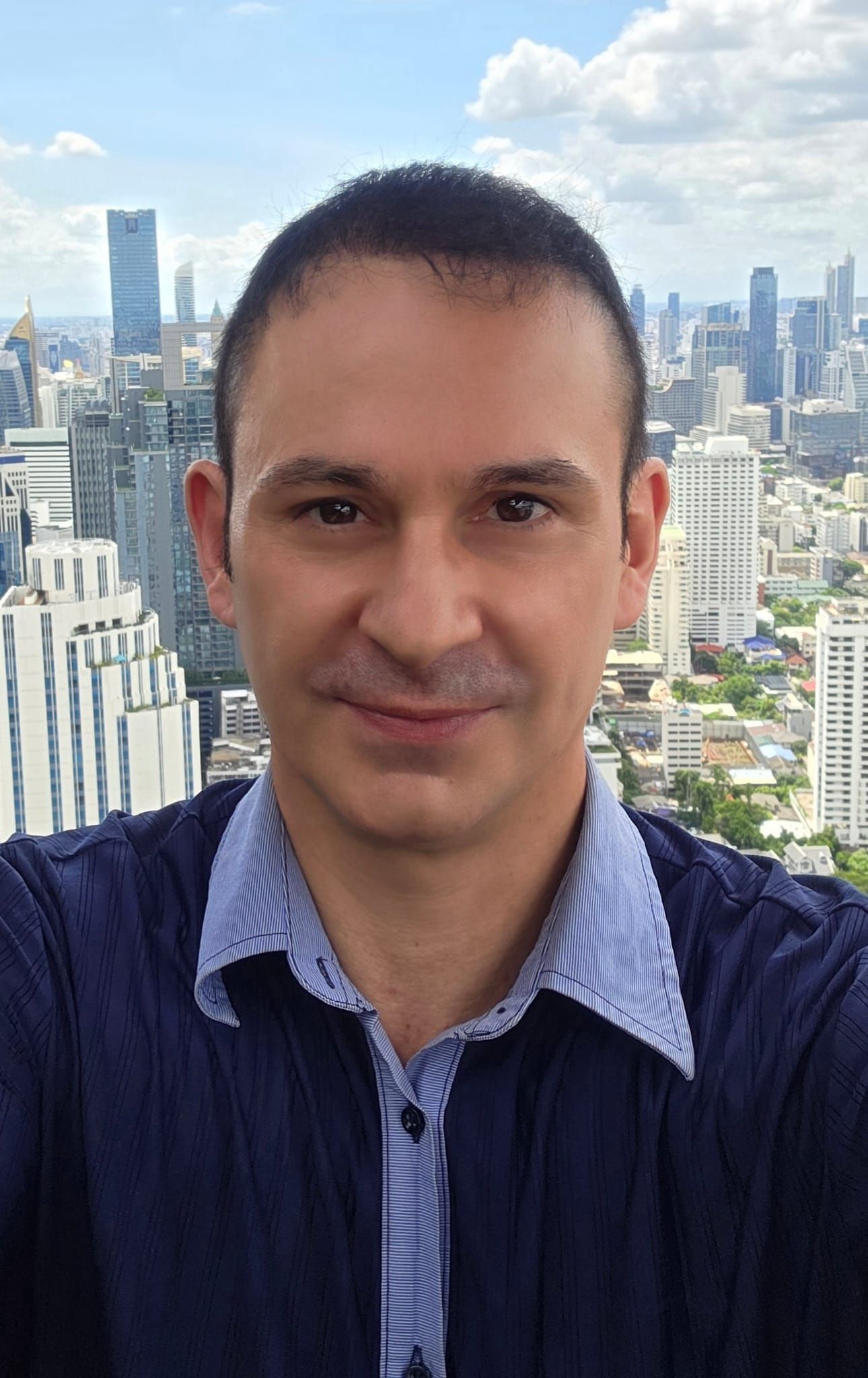
Since 2015, Massimiliano Giannandrea has served as IT Director at NetExpat, leading the development, security, and evolution of the company’s digital platforms. He works closely with business, operational, and technical teams to deliver reliable, scalable solutions that support NetExpat’s global mission. He is the architect behind the PartnerJob Explorer (PJE) platform and has helped drive the integration of AI-powered features that enhance the experience for candidates and clients worldwide. He also oversees platform stability, security, and continuous improvement while promoting collaboration and knowledge sharing across the IT team.

Learn how businesses can build workforce agility through flexible talent strategies, empowering employees and driving long-term organizational success.

Patricia Biffi brings a rich blend of business acumen and global perspective to her role at NetExpat, shaped by her journey from Brazil’s dynamic fashion retail industry to building a new chapter in the United States. With nearly two decades of experience spanning commercial and marketing leadership, she developed a strong foundation in driving growth, building high-performing teams, and keeping people at the center of every decision. Having personally navigated the challenges of relocation and career reinvention, Patricia combines resilience, adaptability, and a people-first mindset with a deep appreciation for cross-cultural experiences and the evolving landscape of global mobility.

The pharmaceutical industry is operating under extraordinary and accelerating pressure. Patent cliffs heightened regulatory scrutiny, geopolitical instability, pricing constraints, and an increasingly complex global R&D and manufacturing footprint are pushing organizations to do more—faster, with fewer resources, and under intense public and stakeholder scrutiny. At the same time, demand for specialized talent has never been higher. Unlike extractive or capital‑intensive industries such as oil and gas, pharma cannot rely on large financial incentives to drive international mobility. Scientific, regulatory, medical affairs, and quality expertise are scarce globally—yet many of the very professionals pharma needs most are reluctant to relocate. Dual‑career households, two‑income families, caregiving responsibilities, and reduced appetite for long assignments mean traditional mobility levers are no longer sufficient. In this context, Global Mobility (GM) is no longer just an enabler of relocation—it must become a strategic talent catalyst.

Whether driven by mergers, digital transformation, geopolitical shifts, or evolving market demands, change affects every corner of a global organization. And without the right support, teams can suffer, along with morale and alignment. Profit losses, decreased productivity, attrition and reputational damage are very real risks, and often signs that an organization’s change strategy failed to account for cultural context—both the organization’s internal culture and the cultural identities of its employees. Change is universal, but how we deal with it is deeply cultural. Even the most well-designed initiative can falter if it overlooks one critical factor: how people experience change. In global teams, that experience isn’t just shaped by roles, responsibilities, and team dynamics. It’s also shaped by the cultural norms, values, and perspectives each person brings to the workplace. And when leaders assume their teams will respond to change the same way they do, communications and processes can quietly unravel—sometimes under the radar and long before the negative impacts are fully recognized. To lead and address change effectively, business leaders need to understand the cultural lenses that shape how change is perceived, processed, and embraced (or rejected).

This blog post offers a glimpse into the exclusive content available to members of the NetExpat Community —designed specifically for the partners and spouses of transferees. From curated resources to peer-driven insights, this sample reflects the kind of meaningful support that helps partners/spouses feel seen, connected, and empowered.

Meet Pawl Mika, a globally minded leader at NetExpat whose international career and personal relocation experience shape his people-first approach to global mobility, client success, and team collaboration.

Navigating ambiguity in the automotive industry requires more than technical expertise. Discover how intercultural capability helps global teams improve communication, align priorities, and stay competitive under pressure.